
Does Medicare Cover Dental, Vision, and Hearing? What Florida Seniors Need to Know
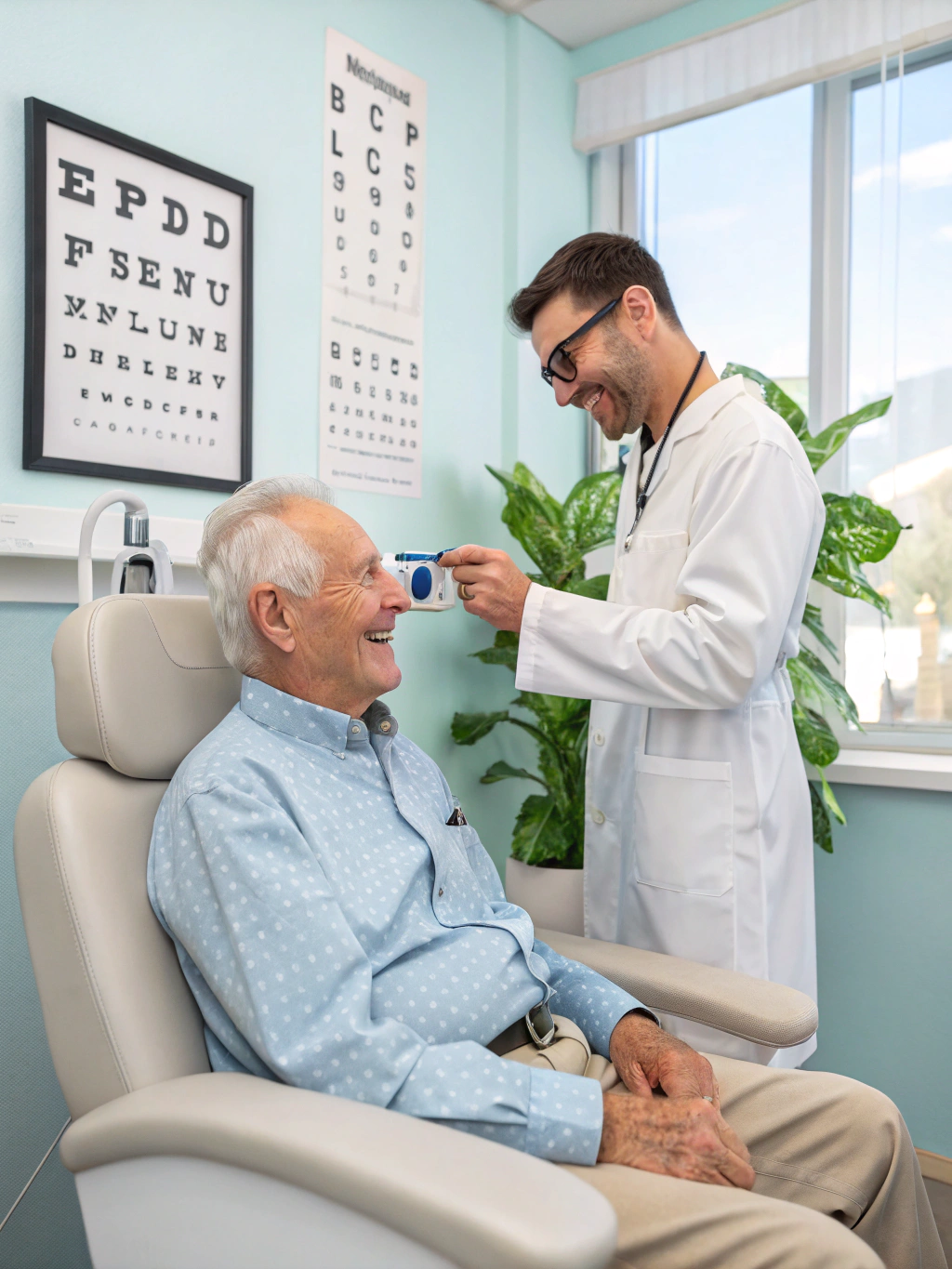
One of the most common surprises for people new to Medicare is discovering what it doesn't cover. If you've relied on employer health insurance for most of your career, you may have had dental cleanings, annual eye exams, and hearing tests covered as a matter of course. With Original Medicare, that changes — and the gaps are significant.
Here's the plain-English answer to what Medicare covers for dental, vision, and hearing — and your best options for filling these gaps in Florida.
Does Original Medicare Cover Dental Care?
In most cases, no. Original Medicare (Parts A and B) does not cover:
- Routine cleanings and exams
- Fillings, crowns, or bridges
- Dentures or implants
- Most tooth extractions
- Periodontal (gum) treatment
- Orthodontics
Medicare Part A will cover certain dental services if you're admitted to a hospital for a related procedure — for example, jaw reconstruction following a covered accident. But for the vast majority of routine and restorative dental care, you're paying out of pocket under Original Medicare.
This matters more than people realize. According to the CDC, nearly 70% of adults 65 and older have gum disease, and poor oral health is linked to higher rates of cardiovascular disease, diabetes complications, and malnutrition. Dental health in retirement is not optional.
Does Original Medicare Cover Vision Care?
Partially — but not what most people need.
Medicare Part B covers:
- Annual dilated eye exam for diabetic retinopathy if you have diabetes
- Glaucoma screening for people at high risk (once every 12 months)
- Cataract surgery, including one pair of standard eyeglasses or contact lenses after the procedure
- Treatment for eye diseases and injuries (considered medically necessary)
What Medicare does not cover:
- Routine eye exams to update your prescription
- Eyeglasses or contacts (except after cataract surgery)
- LASIK or other refractive procedures
If you wear glasses or contacts, this gap is felt every year. A new prescription and frames typically costs $200–$600 out of pocket.
Does Original Medicare Cover Hearing Care?
No — and this is one of the most impactful gaps for seniors.
Original Medicare does not cover:
- Routine hearing exams or screenings
- Hearing aids
- Fitting or follow-up adjustments for hearing aids
Medicare Part B does cover diagnostic hearing and balance exams when a physician orders them to investigate a medical condition — but not routine hearing screenings, and never the hearing aids themselves.
Hearing aids average $2,000–$7,000 per pair out of pocket. And the stakes are high: untreated hearing loss is independently associated with significantly increased risk of cognitive decline and dementia. Coverage for hearing care isn't a luxury — it's a health issue.
Your Options for Filling the Gaps
Option 1: Medicare Advantage Plans
Many Medicare Advantage (Part C) plans include supplemental dental, vision, and hearing benefits. Coverage varies widely by plan and carrier, but typical inclusions are:
- Dental: 1–2 cleanings per year, sometimes basic restorative work up to an annual maximum (usually $1,000–$2,500/year)
- Vision: Annual eye exam plus an eyewear allowance ($100–$200/year)
- Hearing: Annual hearing exam plus a hearing aid allowance ($500–$2,500 per ear)
The trade-offs: Advantage plans have network restrictions and their benefits change every year. The dental coverage that looks generous today may be reduced next January.
Option 2: Standalone Dental, Vision & Hearing Plans
If you have a Medicare Supplement (Medigap) plan — which doesn't include dental, vision, or hearing — you can add standalone supplemental coverage separately. These plans typically run $30–$60/month and provide defined benefits for routine and some restorative dental care, vision exams, and hearing evaluations. Several strong options are available in Florida through Humana, Cigna, Aetna, UnitedHealthcare, and others.
This is often the best approach for Medigap enrollees: keep your comprehensive medical coverage intact, and add targeted dental/vision/hearing coverage at a modest additional premium.
Option 3: Discount Programs
For basic care, dental discount memberships and programs like AARP's dental program can reduce out-of-pocket costs significantly. These are not insurance — you pay discounted rates directly at participating providers — but they're worth considering if you use dental care infrequently and want to avoid a monthly premium.
What We Recommend for Lakeland & Polk County Seniors
In our experience, the right approach depends on your situation:
- On Medicare Supplement (Plan G or N)? Add a standalone dental/vision/hearing plan. The monthly cost is modest, and it rounds out your coverage without giving up the freedom and predictability of Medigap.
- Considering Medicare Advantage? Scrutinize the dental and hearing allowances carefully — not just whether they exist, but what they actually cover. A $1,500 annual dental max disappears quickly if you need a crown ($1,200–$1,800) or a root canal.
- Wear hearing aids or expect to need them? This should be a top factor in your plan decision. The difference in hearing coverage between plans can run thousands of dollars per year.
The Bottom Line
Original Medicare's gaps in dental, vision, and hearing coverage are real and significant — but they're also fillable. The right combination of plans can protect both your health and your budget in retirement.
At Core Insurance Solutions in Lakeland, we help Florida seniors build a complete coverage picture: not just their medical plan, but the dental, vision, hearing, and prescription coverage that goes with it. Schedule a free consultation and we'll review all your options together — at no cost to you.